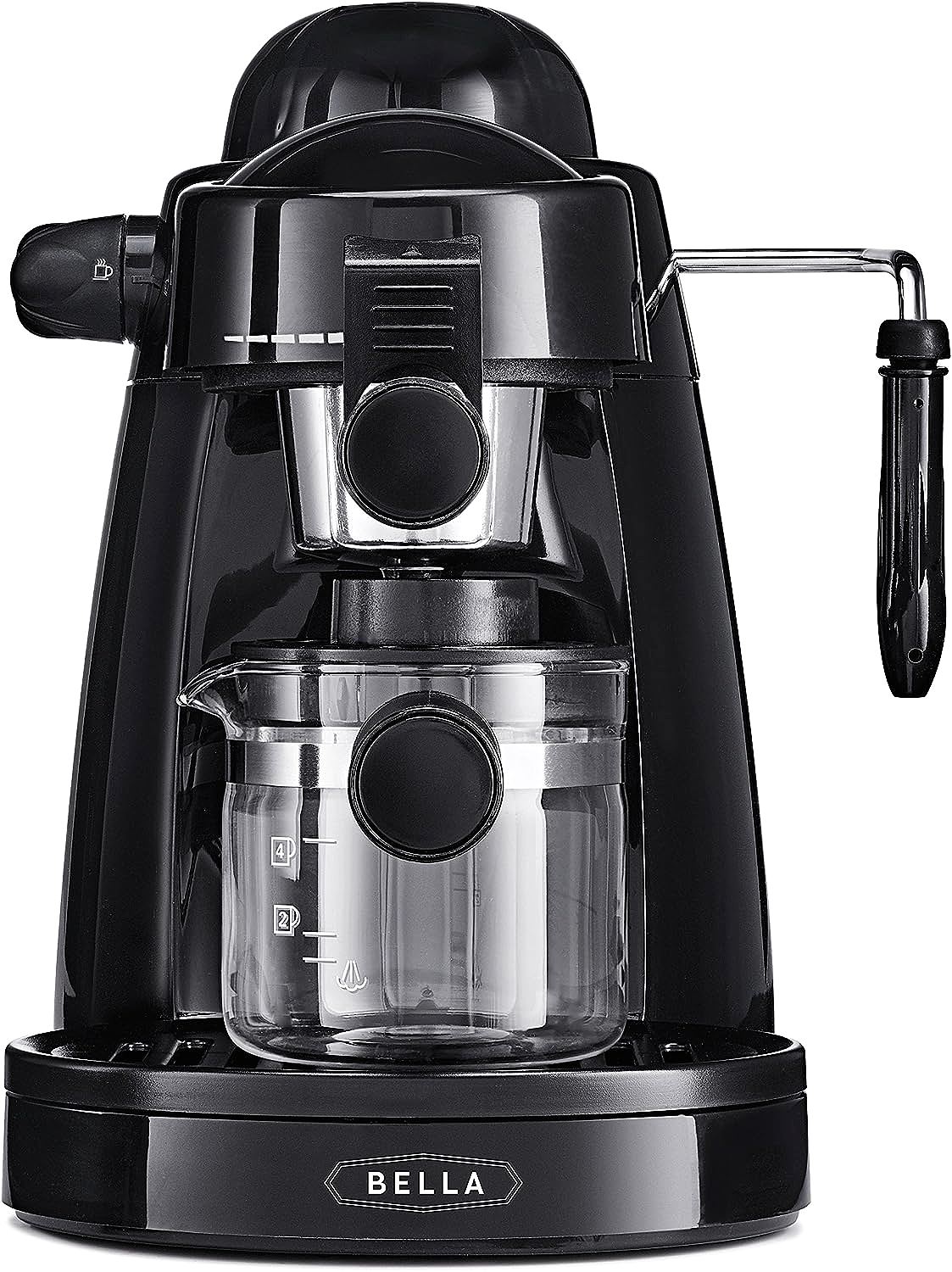

That velvety cloud of microfoam atop your cappuccino, so stable it can support a dusting of cocoa, is a minor miracle of food science. The transformation of cold, flat liquid into a warm, voluminous foam is not magic; it’s a captivating molecular ballet, choreographed by the heat and turbulence from your espresso machine’s steam wand. To understand how to create perfect foam is to understand the chemical actors on this tiny stage and the physical forces that guide their performance.

The Cast of Characters: What’s in Your Milk?
In its chilled state, milk is a deceptively complex solution. While mostly water (about 87%), it’s the other components that are the stars of our show:
* Proteins (approx. 3.5%): These are the architectural backbone of foam. Milk contains two main types: casein and whey proteins. In cold milk, they exist as complex, tightly-folded globular structures.
* Fats (variable %): Microscopic globules of fat are suspended in the water, giving milk its richness and creamy mouthfeel.
* Lactose (approx. 5%): A sugar that contributes to milk’s sweetness, especially when heated.
The Performance Begins: Protein Denaturation
When the steam wand injects hot steam into the milk, it does two things simultaneously: it introduces air bubbles and it rapidly raises the temperature. This thermal shock is the cue for our lead performers, the proteins, to take the stage.
The heat causes the proteins to denature. This means their tightly coiled structures unravel, transforming from complex balls into long, sticky strands. Imagine a thousand tightly-wound balls of yarn suddenly unspooling. These newly straightened protein strands have a unique property: one end is hydrophilic (it loves water) and the other is hydrophobic (it hates water).
This dual nature is the key to foam. The hydrophobic ends immediately seek refuge from the water by attaching themselves to the surface of the air bubbles being injected by the steam. The hydrophilic ends remain anchored in the liquid milk. In an instant, they form a flexible, resilient protein mesh around each tiny air bubble, like a microscopic net. This protein network is the very structure of the foam, preventing the tiny bubbles from coalescing into larger ones and escaping.
The Supporting Role of Fat: A Double-Edged Sword
Fat globules are the flavour-carriers, responsible for the rich, satisfying taste of a latte. In the context of foam, however, their role is more complex.
* At cold temperatures (<40°F / 4°C): The fat globules are solid and crystalline. Their sharp edges can actually puncture the delicate protein films around the air bubbles, destabilizing the foam. This is why it’s harder to get good foam from very cold whole milk initially.
* As the milk warms: The fat melts, becoming liquid. These liquid globules integrate into the protein network, lending it stability and a creamy texture. They wedge themselves between the protein-coated bubbles, adding richness and weight.
* The Downside: Fat is heavier than the protein-air structure. Too much fat (as in heavy cream) will weigh the foam down, preventing it from achieving significant volume. This is why baristas often prefer 2% or whole milk—it’s the perfect balance of enough fat for flavor and not so much that it collapses the structure.
The Golden Rule of Temperature: The Foam “Death Zone”
Temperature is the director of this entire ballet. The process of building foam is a race against time.
* The Ideal Zone (130-150°F / 55-65°C): In this range, the proteins have denatured effectively to create the foam structure, and the fats have melted to contribute to a creamy texture. The lactose also begins to taste sweeter, enhancing the overall flavor.
* The Danger Zone (Above 158°F / 70°C): If you overheat the milk, the protein structure breaks down completely. The delicate nets collapse, the foam disintegrates, and the milk develops a cooked, sulphurous taste. This is why a barista will always touch the side of the pitcher; once it becomes too hot to comfortably hold, the ballet is over.
This science explains the barista’s wisdom: starting with very cold milk gives you a longer runway. It allows more time for the steam to inject air and for the proteins to unfold and build their structure before the temperature hits the critical “death zone.”

The Encore: The Miracle of Plant-Based Milks
How do plant-based milks like oat or soy foam up without casein and whey? They rely on their own native proteins (like avenin in oats or glycinin in soy) and, crucially, often contain added stabilizers and emulsifiers. Ingredients like gellan gum or lecithin are added in “barista blend” versions to mimic the behavior of dairy proteins, helping to form a stable film around air bubbles. They are, in essence, a different cast of dancers taught to perform the same beautiful ballet.
So the next time you use your steam wand, remember you are not just making a drink. You are a molecular choreographer, using energy to direct a beautiful, edible performance, transforming a simple liquid into a complex and delicious structure, one tiny bubble at a time.

