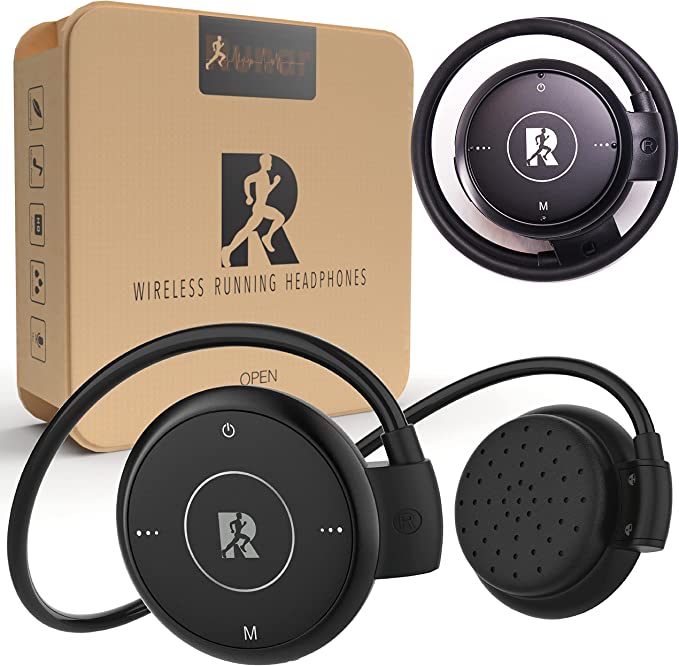

In a hyper-connected world, the ultimate luxury is disconnection. For runners, the smartphone is a double-edged sword: a source of music and tracking, but also a 200-gram brick bouncing in your pocket, interrupting your flow with Slack notifications.
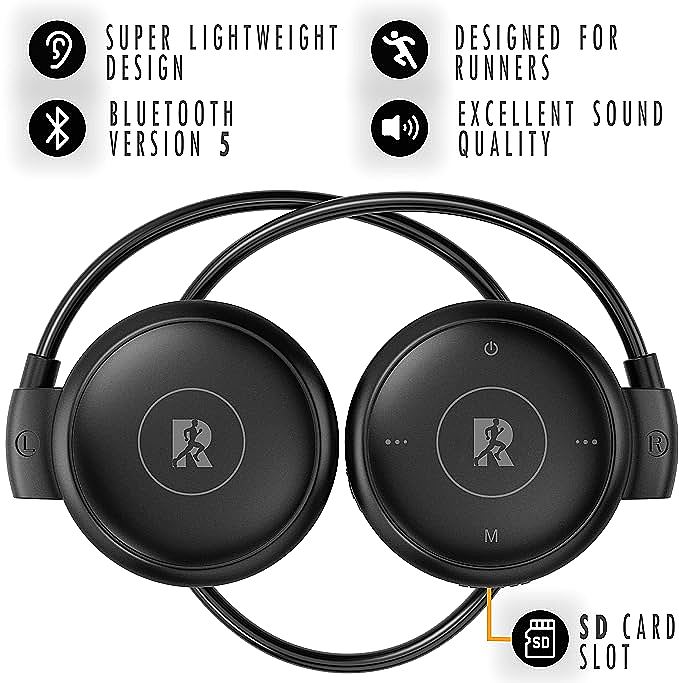
The Runar RNR1 offers a feature that has virtually vanished from modern audio gear: a Micro SD (TF) Card Slot. This tiny addition transforms the device from a passive receiver into a standalone Digital Audio Player (DAP), enabling a running experience that is physically lighter and psychologically freer.
The Physics of Weight Shedding
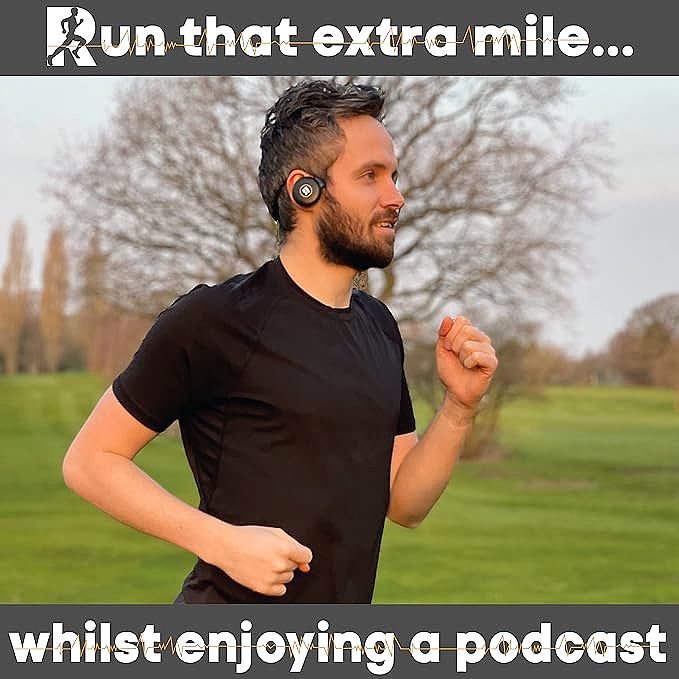
Let’s do the math. A modern smartphone weighs between 180g and 240g. Add a rugged case and an armband, and you are strapping nearly 300g (0.66 lbs) to one side of your body. Biomechanically, this asymmetrical load alters your arm swing and can lead to subtle gait imbalances over a 26.2-mile marathon (Physics).
The Runar RNR1 weighs 40g. A Micro SD card weighs 0.25g. By shifting the audio source to the headset, you eliminate ~260g of bouncing mass. This is “marginal gains” engineering at its finest. The headset’s weight is centered on the neck (axis of rotation), minimizing the moment of inertia compared to a weight on the distal end of the arm (Thesis).
The Battery Paradox: Bluetooth vs. Local Decoding
The RNR1 claims an impressive 27 hours of battery life. User experiences vary wildly, with JSJ reporting only 4 hours while Sinisterman claims they “last and last.” Why the discrepancy?
The answer likely lies in the mode of operation. Streaming high-bitrate audio via Bluetooth 5.0 requires the radio frequency (RF) radio to be constantly active, shaking hands with the phone and correcting errors (Physics). This is energy-intensive.
However, playing MP3s from a local SD card shuts down the Bluetooth radio completely. The chip only needs to decode the file and drive the speakers. This Local Playback Mode is significantly more energy-efficient, likely getting closer to the 20+ hour claim compared to Bluetooth streaming.
Field Note: To maximize battery life for an ultra-marathon, load your audio onto an SD card and turn off Bluetooth. This simple switch could be the difference between music at mile 20 and silence.
The UI Challenge: Running Blind
The trade-off for screen-free freedom is navigation. Without a visual interface, you cannot scroll through Spotify playlists. The RNR1 relies on physical buttons for Volume Up/Down and Next/Prev Track.
This requires a change in user behavior: Curated Playlists. You must organize your SD card folders intentionally. It forces a “set it and forget it” mentality. You aren’t skipping tracks; you are running. This limitation actually fosters a deeper flow state, removing the temptation to fiddle with your device.
Vulnerability Analysis: The Open Port
While the SD card slot is a feature, functionally, it is a structural vulnerability. Unlike the sealed charging port (often covered by a rubber flap), SD slots are typically open-ended to allow insertion.
This creates a direct ingress point for sweat and rain (FMEA). If salty sweat enters the slot, it can bridge the pins on the SD card or corrode the internal reader contacts.
Field Note: If you are a heavy sweater, cover the SD card slot with a small piece of electrical tape after inserting the card. This “ghetto engineering” fix provides the missing IPX seal and protects your data from corrosion.
Conclusion: The Tool for the Purist
The Runar RNR1 is not trying to compete with the AirPods Pro. It is a specialized tool for a specific type of athlete: the runner who wants to sever the digital leash. By understanding the physics of load distribution and the efficiency of local playback, you can unlock a running experience that feels lighter, faster, and remarkably quiet—in terms of digital noise.

