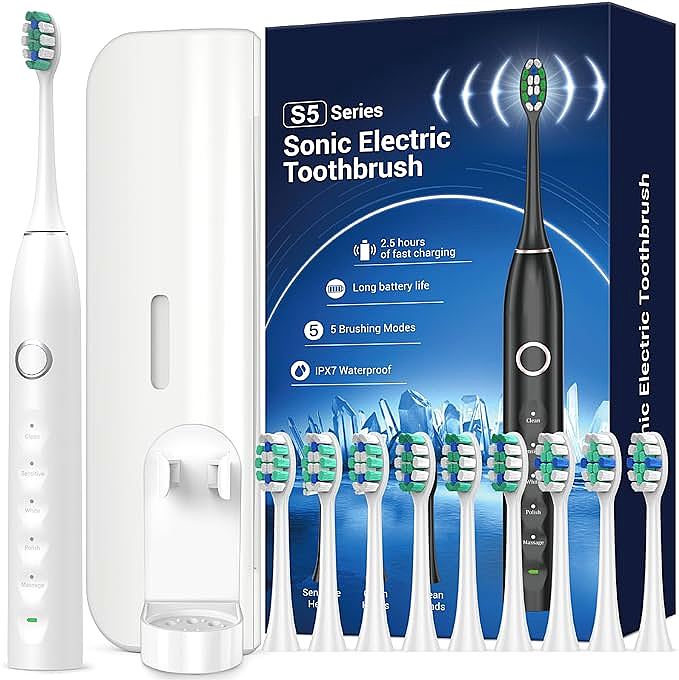

The human mouth is a thriving ecosystem, host to over 700 species of bacteria. This complex community, known as the oral microbiome, exists in a delicate balance. When this balance is maintained, our oral health supports our systemic well-being. However, when specific pathogenic bacteria are allowed to proliferate, they form a resilient structure known as bacterial plaque, or more scientifically, biofilm. Managing this biofilm is not just about aesthetics; it is a critical daily protocol for disease prevention. In this context, the modern electric toothbrush ceases to be a mere bathroom accessory and becomes a precision instrument for microbiological control.
Understanding the Enemy: The Biology of Biofilm
Biofilm is unlike free-floating bacteria. It is a structured community where bacteria adhere to a surface and to each other, encased in a protective matrix of extracellular polymeric substances. This matrix acts as a shield, protecting the bacteria from antimicrobial agents (like toothpaste) and the body’s immune defenses.
The “stickiness” of biofilm is why rinsing alone creates little effect. Mechanical disruption is essential. However, the nature of this disruption matters. Aggressive scrubbing with a manual brush can cause gingival recession and enamel abrasion, essentially damaging the “terrain” while trying to remove the “invader.” This is where the precision of sonic technology, as exemplified by devices like the Fronix Sonic Electric Toothbrush, offers a biological advantage. The high-frequency vibrations disrupt the biofilm matrix efficiently without the need for excessive downward pressure, effectively disorganizing the bacterial colonies while preserving the integrity of the soft tissue.
The Spectrum of Care: Customizing Intensity for Tissue Health
Not all oral tissues are created equal. The enamel of a molar is the hardest substance in the human body, while the gingival margin—the cuff of gum tissue surrounding the tooth—is delicate and vascular. A standardized, high-intensity cleaning mode may be ideal for the former but traumatic for the latter.
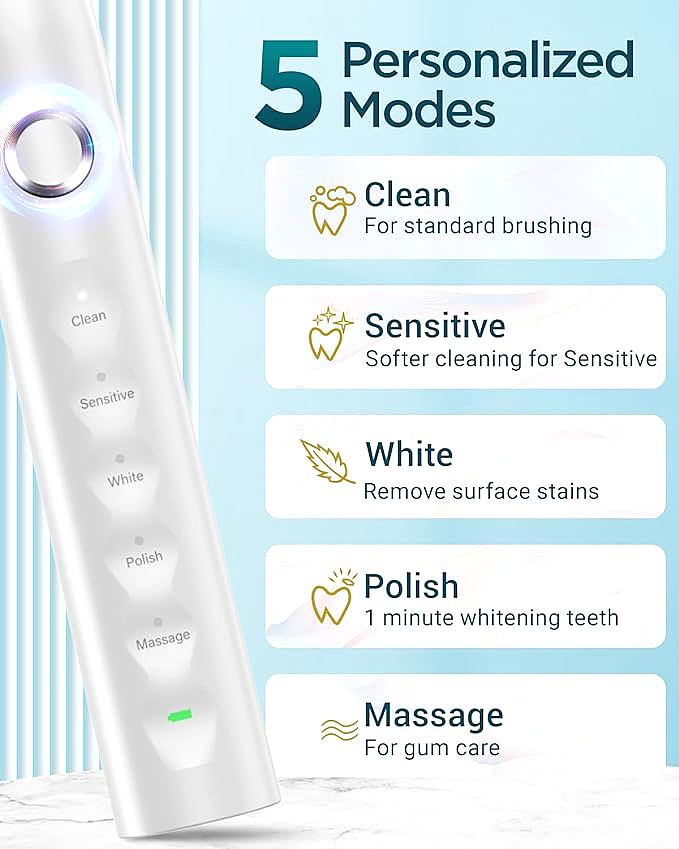
This biological reality necessitates the multi-mode functionality found in advanced oral care devices. A “Clean” mode, operating at peak frequency (e.g., 40,000 VPM), is designed for the robust surfaces of teeth to maximize plaque removal. In contrast, a “Sensitive” or “Massage” mode modulates the frequency and amplitude of the vibrations. This modulation is not a gimmick; it is a therapeutic setting designed to stimulate blood flow in the gums without causing micro-trauma. By alternating between these modes, users can tailor their hygiene protocol to the changing needs of their oral environment—addressing inflammation one day and focusing on stain removal the next.
The Psychology of Ritual: Feedback Loops and Compliance
In behavioral psychology, a “feedback loop” is a system where outputs are circled back as inputs. In oral hygiene, the lack of immediate feedback is a major barrier to compliance. You cannot “see” the microscopic biofilm being removed, which leads to inconsistent habits.
Technology bridges this gap by creating artificial feedback loops. The built-in “Smart Timer” serves as a regulatory mechanism. When the device pulses every 30 seconds to signal a quadrant change, it provides the user with immediate, tactile feedback on their performance. This transforms the abstract goal of “brushing well” into a concrete, achievable task. The automatic shut-off at two minutes signals “task complete,” providing a sense of closure and accomplishment. Over time, these micro-interactions condition the user to adhere to the clinically recommended duration, embedding a healthy habit into the subconscious.
The Long-Term Impact of Material Choice
The relationship between the tool and the biology extends to the materials that make contact with the body. The quality of the bristles is paramount. Inferior bristles often have jagged, cut ends that can cause microscopic lacerations to the gums, acting as entry points for bacteria.
High-grade filaments, such as the Dupont bristles used in premium sonic brushes, undergo a process called “end-rounding.” Under a microscope, the tips of these bristles are smooth and domed. This manufacturing detail is critical for long-term safety. It ensures that the daily act of biofilm disruption does not become a daily act of tissue injury. Furthermore, the 3D contouring of the brush head is designed to navigate the complex topography of the dental arch, ensuring that the bristles can reach into the interproximal areas (between teeth) where biofilm thrives, without requiring the user to perform complex gymnastic maneuvers with their wrist.
Sustainability in Personal Health Infrastructure
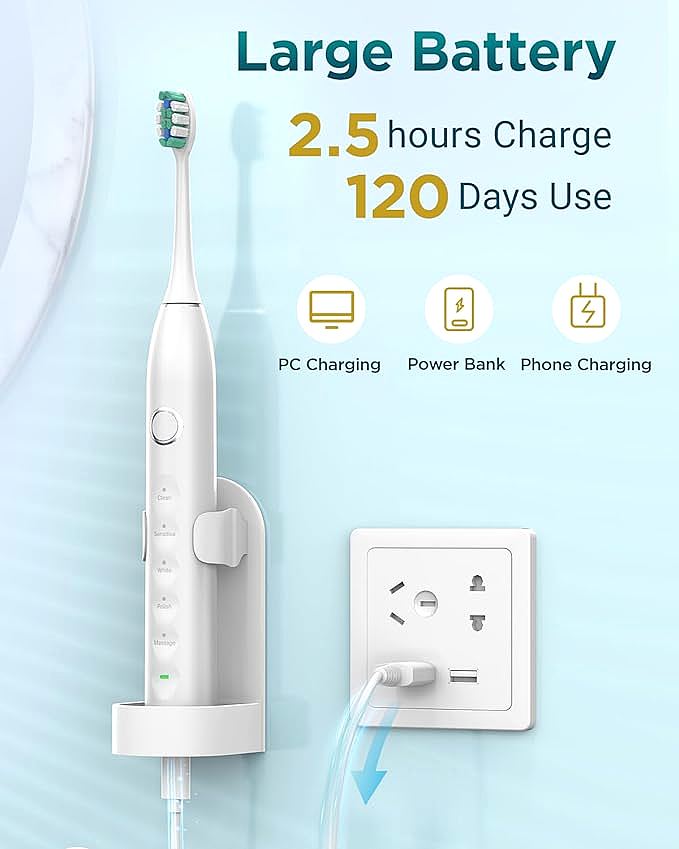
Finally, we must consider the sustainability of our health protocols. A hygiene routine that is frequently interrupted by dead batteries or broken equipment is a routine that will eventually be abandoned. The shift toward high-capacity energy storage in personal care—offering months of use on a single charge—is a crucial factor in maintaining protocol consistency.
When a device like the Fronix toothbrush offers a 120-day battery life, it removes the friction of maintenance. The user is no longer tethered to a charging dock, freeing up counter space and mental bandwidth. This reliability ensures that the tool is always ready when the habit is triggered, smoothing the path to lifelong oral health.
In the end, the goal of using such technology is simple yet profound: to coexist harmoniously with our oral microbiome, keeping pathogenic biofilm in check while preserving the delicate structures of our mouth for a lifetime of smiles.

