
Why do we find satisfaction in turning a dial, watching water drip through a glass tube, or programming a timer for the morning? We buy an automatic coffee maker for convenience, yet the features that often delight us most are those that invite us to participate, to tinker, to control. This is not a contradiction. It reveals a deep psychological truth about our relationship with modern technology: we don’t just want our appliances to perform a task; we want them to provide an experience.
A well-designed machine like a modern drip brewer does more than just make coffee. It acts as a ritual machine, tapping into our innate desires for control, competence, and sensory feedback. By examining its design through the lens of consumer psychology, we can understand why certain features resonate so powerfully and transform a mundane chore into a moment of satisfying craft.
The Joy of Control: Affordances and the Adjustable Valve
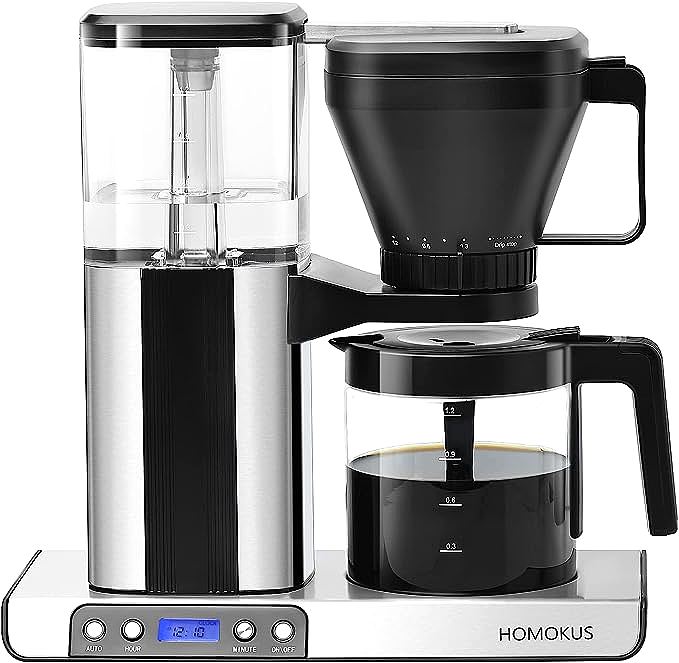
In his seminal book “The Design of Everyday Things,” Don Norman introduced the concept of “affordances”—the perceived properties of an object that suggest how it can be used. A simple knob affords turning; a button affords pushing. An adjustable flow-rate valve on a coffee maker does more than just control water speed; its primary psychological function is to afford control.
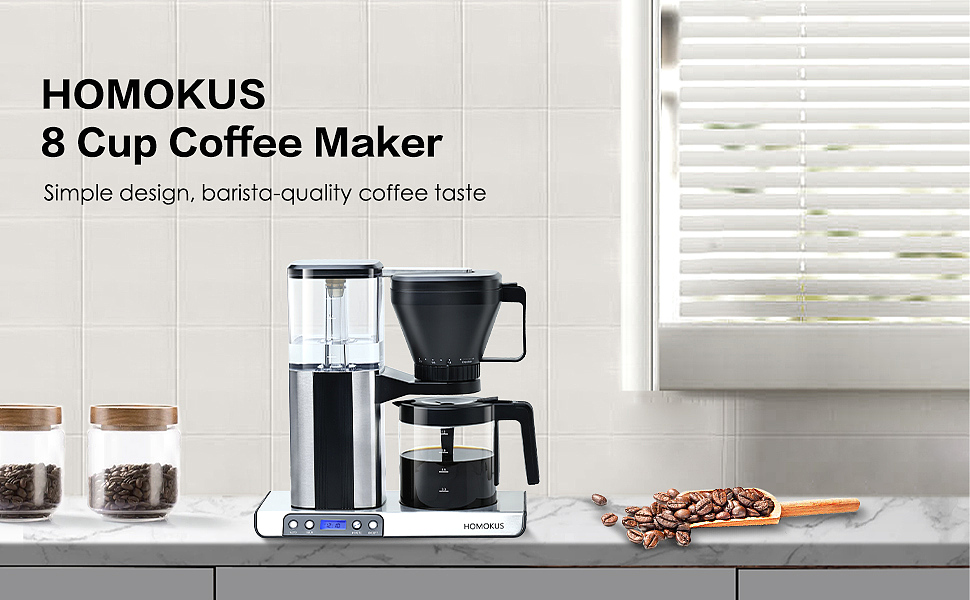
When a user sees this dial, their mental model of the machine shifts. It is no longer a black box with a single outcome. Instead, it becomes an instrument that can be manipulated. This simple feature transforms the user from a passive operator into an active participant. The positive review for the HOMOKUS NK-0655 stating, “you can control the flow of the steeping process which is game changer,” is a testament to this principle. The joy comes not just from the better-tasting coffee, but from the feeling of agency—the sense that “I did that.” This feeling of competence is a powerful driver of product satisfaction, with studies showing a user’s perceived control directly impacts their overall evaluation of a product.
Visible Progress, Visible Trust: Feedback and Transparency
Another core design principle is feedback—communicating the result of an action. Good design makes processes visible. This is why transparent water tanks, glass carafes, and even the simple gurgling sound of a brewer are so effective. They provide constant, real-time feedback that the machine is working as intended. A 2018 study in the Journal of Mechanical Design found that system transparency significantly increases user trust in automated products.
This visibility builds that trust. We see the water level drop, we see the coffee dripping into the carafe, and we feel assured. An opaque, silent machine, even if it works perfectly, can create a sense of uncertainty. The design of many premium brewers, which often exposes the water’s path from reservoir to shower head, is a deliberate choice to make the brewing process transparent. It demystifies the machine and reinforces the user’s understanding of the process, further enhancing their sense of control and involvement. The LCD screen, which displays brew time or preset programs, is a digital form of this same feedback loop, confirming our instructions have been received and are being executed.
The Aesthetics of Expertise: How Stainless Steel Makes Us Feel Professional
Our connection to objects isn’t purely logical. The aesthetics of a device send powerful psychological signals. The widespread use of polished stainless steel in high-end kitchen appliances is not just for durability. It is a material signifier. We associate stainless steel with professional kitchens, scientific laboratories, and surgical precision.
When we use a heavy, stainless-steel-clad coffee maker, we subconsciously absorb some of that professional identity. The cool touch of the metal, the solid feel of the components—weighing nearly 9 pounds in some cases—and the clean, modern lines all contribute to a feeling of quality and expertise. It makes us feel like we are not just brewing coffee; we are engaging in a serious, craft-like activity. One reviewer’s comment, “The gorgeous design is obviously a no-brainer,” highlights that aesthetics are not a secondary feature but a primary driver of purchase and satisfaction. The machine becomes a statement piece that reflects our taste and seriousness about our hobbies.
The Ritual Machine: A Psychological Checklist for Your Gadgets
How can you evaluate the emotional and psychological design of an appliance? Use this checklist to look beyond its technical specifications and assess its experiential value.
| Psychological Principle | Key Question for Evaluation | Example in a Coffee Maker |
|---|---|---|
| Agency & Control | Does the product empower me to influence the outcome in a meaningful way? | An adjustable flow-rate valve; brew strength settings. |
| Feedback & Transparency | Can I easily see and understand what the product is doing at any given moment? | Glass carafe; transparent water tank; indicator lights; LCD screen. |
| Mental Model | Is the product’s operation intuitive and easy to understand? Does it match my expectations? | Simple, clearly labeled buttons; logical sequence of operations. |
| Aesthetics & Materiality | Does the look and feel of the product evoke positive associations (e.g., professionalism, quality, warmth)? | Stainless steel finish; solid construction; elegant design. |
| Ritual & Automation | Does the product help establish or enhance a comforting routine? | A 24-hour programmable timer that prepares a ritual for you. |
Conclusion: Designing for the Modern Artisan
The evolution of the kitchen appliance is a story of moving from pure function to function-plus-experience. We no longer just want toast; we want the perfect shade of brown, delivered by a machine that feels solid and reliable. We don’t just want coffee; we want to participate in the craft of brewing it.
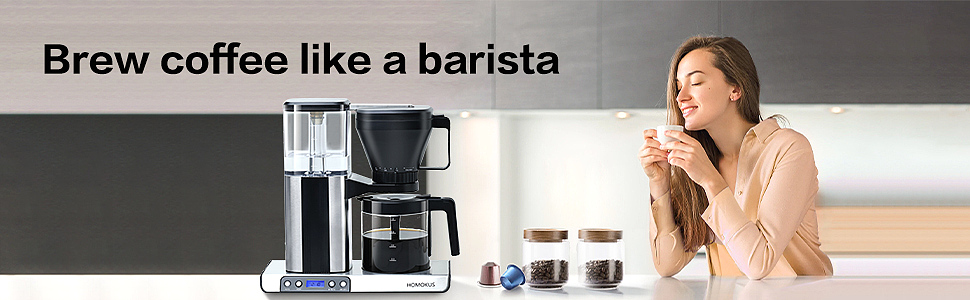
A successful modern product understands this. It provides the convenience of automation while simultaneously offering opportunities for satisfying, hands-on control. It builds trust through transparency and makes us feel competent through its design. It acknowledges that for many of us, the kitchen is not a factory for producing meals, but a studio for the modern artisan. The ritual is just as important as the result.