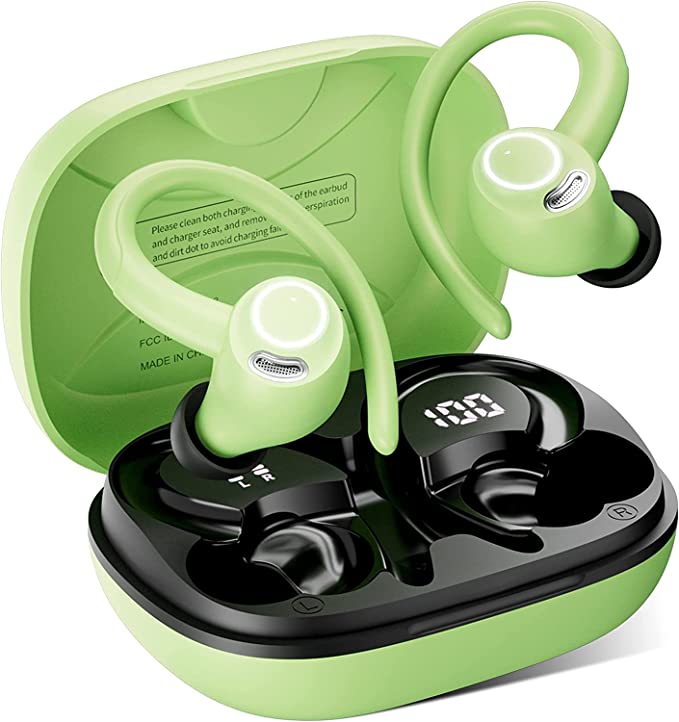

I was 10 miles into a 15-mile training run when the sky opened up. Not a drizzle, but a full-on, torrential downpour. My first thought wasn’t about my pace or my soaking-wet shoes. It was about the earbuds blasting my power playlist, which were advertised as “waterproof.” A familiar anxiety crept in: is this the moment my expensive tech dies a watery death? If you lead an active life, you’ve faced this moment of truth. You’ve seen the labels—IPX7, IP68, “water-resistant”—but what do they actually mean when the rubber hits the road, or in my case, the trail turns into a stream?
Cracking the Code: What “IP” Ratings Actually Mean
That jumble of letters and numbers on your device’s packaging is called an Ingress Protection (IP) code. It’s a universal standard (IEC 60529) that grades how resistant a device is to intrusion from solids and liquids. It’s a key, and once you know how to read it, you can unlock a lot of information.
- The first number (0-6): Rates protection against solid objects, from a hand down to microscopic dust. A higher number means better protection. If you see an ‘X’, like in IPX7, it simply means the device was not tested for solid particle protection.
- The second number (0-9): This is the one we athletes care about. It rates protection against liquids. The scale ranges from surviving a few drips (1) to withstanding high-pressure jets (6) to full submersion (7, 8, and 9).
The IPX7 Breakdown: What a Meter of Water and 30 Minutes Buys You
IPX7 is a very common and robust rating for sports electronics, from earbuds to fitness trackers. So, what’s the official promise? According to the standard, a device with an IPX7 rating can withstand temporary immersion in water under standardized conditions.
Let’s break that down into what it really means:
* Depth: Up to 1 meter (about 3.3 feet).
* Duration: Up to 30 minutes.
* Liquid: Fresh water.
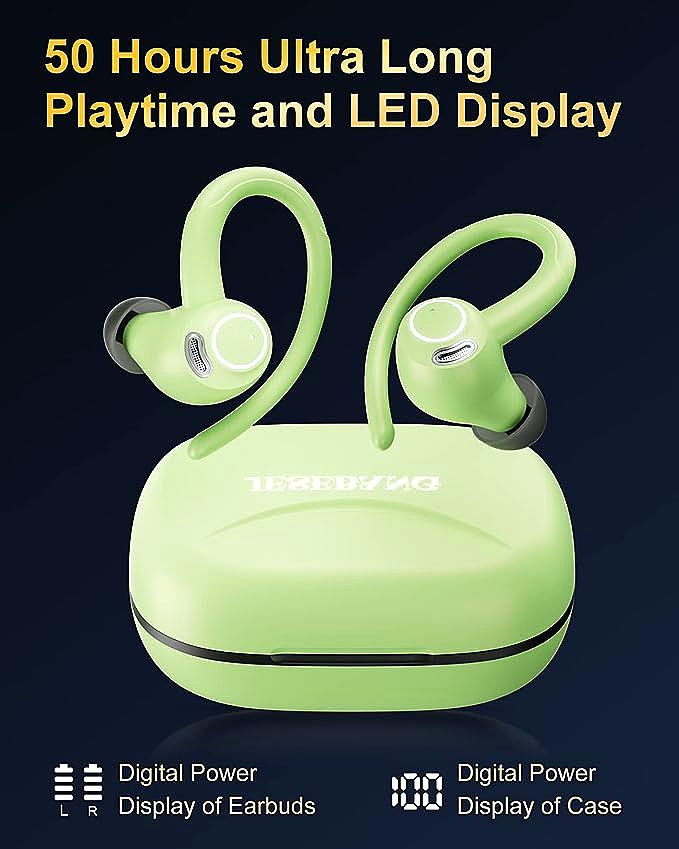
This is a lab test. It means you can drop your earbuds in a bucket of clean water, and they should survive. It’s why devices like the Jesebang YT18, with their IPX7 rating, offer peace of mind against accidental drops in a puddle or a sink. But my sweat isn’t fresh water, and rain isn’t a calm bucket.
Beyond the Bucket: Sweat, Showers, and the Realities of Waterproofing
This is the most important part of the conversation: the gap between the clean lab and the messy reality of a workout.
- Sweat: Your sweat is salty and acidic, making it far more corrosive than fresh water. An IPX7 rating is great protection against it, but it’s crucial to rinse your gear with fresh water and dry it thoroughly after a heavy session to prevent long-term corrosion of charging contacts.
- Showers: Can you shower with IPX7 earbuds? The answer is a hard maybe, but you probably shouldn’t. The rating doesn’t account for the pressure of a shower jet, and more importantly, the soaps and shampoos can degrade the water-resistant seals and nano-coatings over time.
- Pools and Oceans: A definite no. The chlorine in pools and the salt in the ocean are highly corrosive and will destroy the protective seals on your device. IP ratings are for freshwater only.
To help your gear live a long, sweat-filled life, here’s a quick guide.
Waterproof Electronics: Care and Emergency Guide
| Do This | Don’t Do This |
|---|---|
| After a sweaty workout: Gently rinse with fresh water and dry completely before casing. | Never charge a device when it is wet. Ensure charging ports and contacts are bone-dry. |
| If dropped in water: Retrieve it, power it off, dry it with a soft cloth, and let it air dry for 24 hours. | Don’t use a hairdryer or put it in rice (dust particles can cause more harm). |
| Periodically inspect: Check for wear and tear on any rubber seals or gaskets. | Don’t expose it to soap, solvents, or high-pressure water sprays (like a hose). |
Many devices achieve their rating with the help of an invisible nano-coating on internal components. This acts as a last line of defense, causing liquid to bead up and roll off sensitive electronics. It’s a fantastic technology, but it’s not invincible. Proper care is still your best bet.
Conclusion: Train with Confidence, Armed with Knowledge
That day in the rain? My earbuds survived without a hiccup. Because they had an IPX7 rating, I knew I was covered for that exact scenario: a heavy downpour, which is far less challenging than full immersion.
Understanding what IPX7 means isn’t about limiting your training; it’s about liberating you from worry. It empowers you to choose the right gear for your sport and to care for it properly. So, check the specs, understand the limits, and then get out there and train. Let your technology handle the elements, so you can focus on crushing your goals.